At the beginning of 2026, Iloilo City entered the year with a clear number on record: 19,705 operating establishments as of 2025. City officials expect about 75 to 80 percent of them to renew their business permits for the new year.
That figure doesn’t refer to one industry or one district. It includes the full spectrum of the city’s commercial life; restaurants, retail stores, service providers, offices, groceries, repair shops, cafés, salons, clinics, and thousands of other enterprises that form the backbone of the local economy.
It is not a projection.
It is a headcount.
Nearly twenty thousand active businesses operating within a single city.
The commercial density behind the numbers
A business count at that scale changes how a city functions.
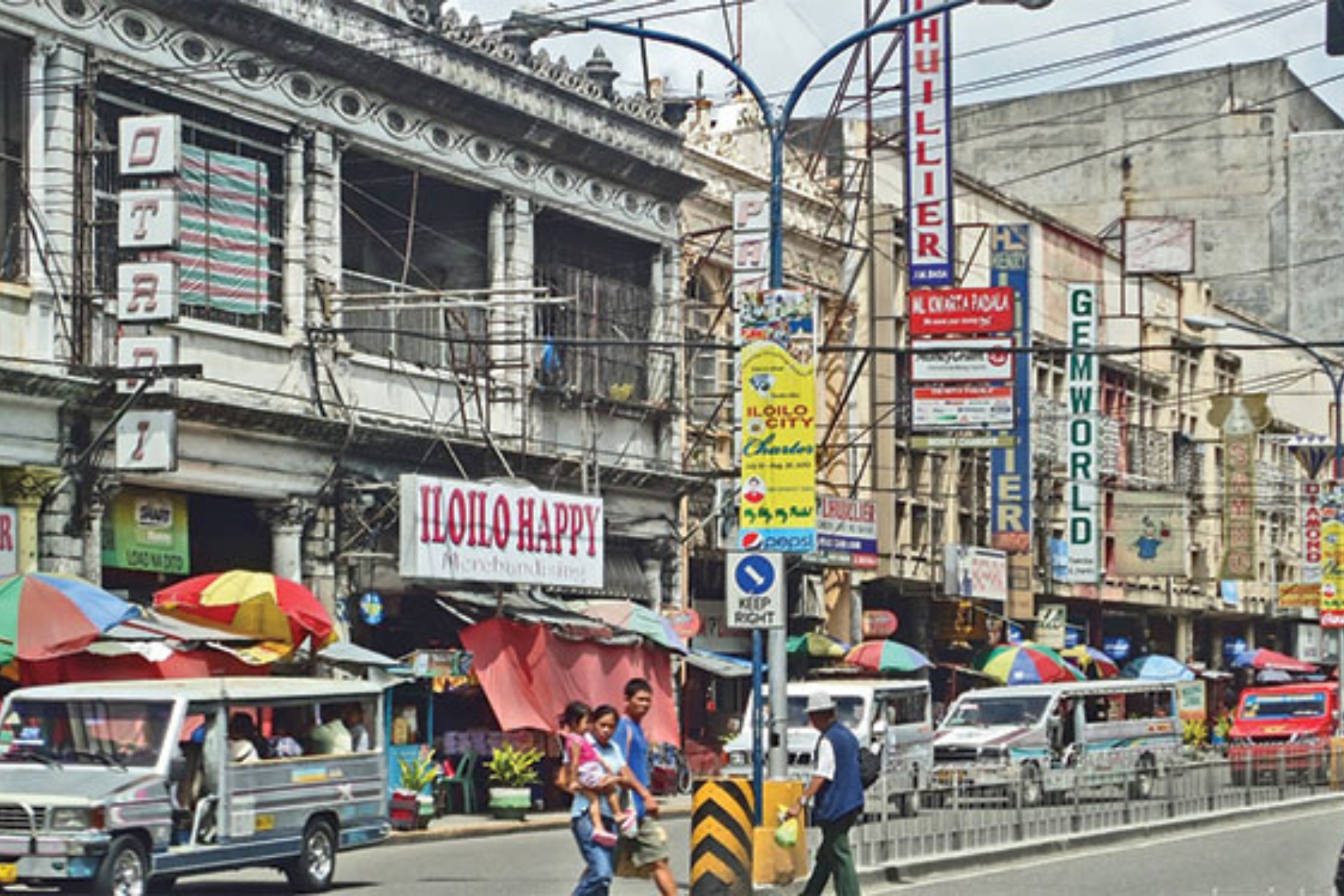
It means entire streets where every other door is a storefront.
It means malls that rely not just on anchor tenants, but on hundreds of smaller operators.
It means districts where offices, cafés, banks, clinics, and retail stores exist within a few blocks of each other.
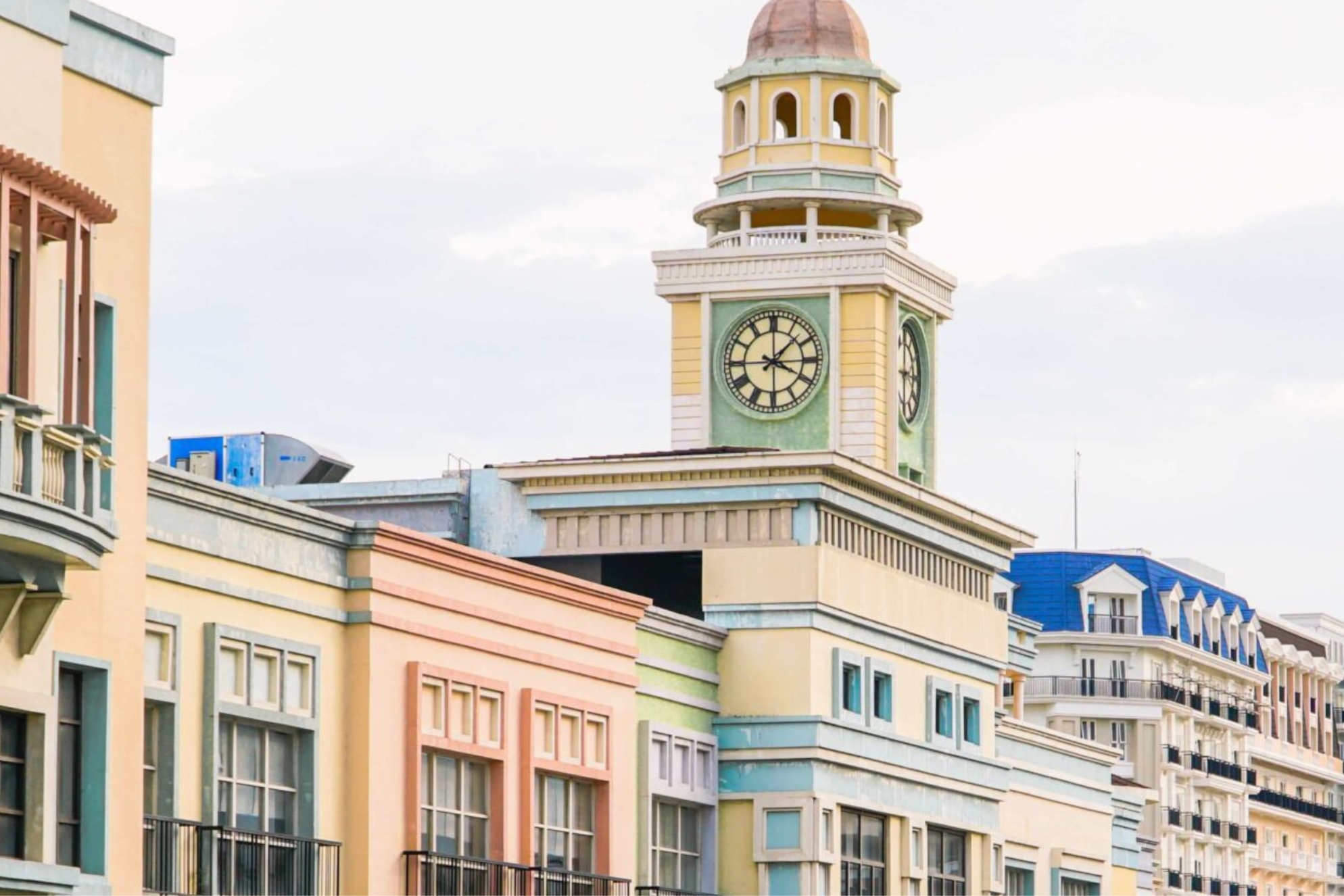
In places like Iloilo Business Park alone, office towers, hotels, residences, and retail zones were designed around the idea of a “live-work-play” environment, with space for thousands of workers and tenants in a single township.
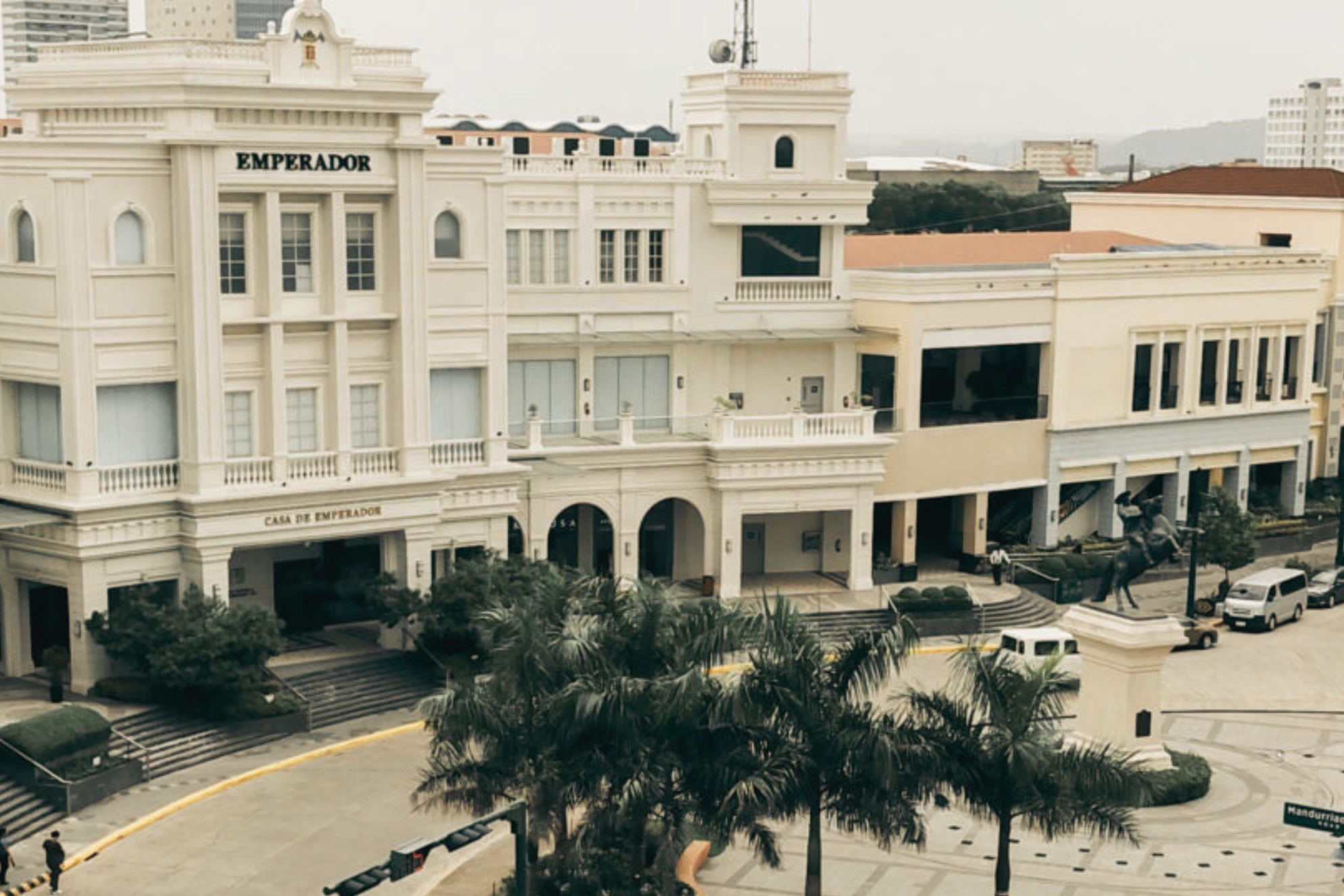
Elsewhere in the city, public markets continue to anchor daily commerce. The Iloilo Central Market, one of the oldest in the country, was redeveloped and reopened in 2025 with a larger number of vendors and a new retail wing alongside the traditional wet and dry market.
What the renewal season represents
Every January, business owners in Iloilo go through the same process: renewing permits, settling taxes, updating registrations, and preparing to operate for another year.
When a city expects most of its establishments to renew, it indicates that a large portion of its commercial base is continuing operations.
This continuity matters at scale.
It keeps: supply chains active, employees retained, commercial leases occupied, retail districts functioning, and service ecosystems intact
A city with nearly twenty thousand operating establishments isn’t defined by one sector. It’s defined by the density of everyday commerce; small, medium, and large businesses all operating at once.
The shape of a mid-sized urban market
Numbers like these place Iloilo in a particular category of Philippine cities: not the largest, but dense enough to support diverse commercial activity.
At this level of business activity, cities typically have: multiple active retail districts, functioning mixed-use townships, stable food and service sectors, established commercial corridors, and enough demand to support new categories of brands
The city’s business count reflects not just growth, but a certain level of commercial maturity.
A working commercial ecosystem
The story behind the 19,705 establishments is not about one major investment or one expansion announcement.
It’s about scale.
Thousands of businesses opening daily, employing local workers, serving regular customers, renewing permits each year, continuing operations across districts
That kind of density creates a working commercial ecosystem, one where both existing enterprises and new entrants can find space to operate.
At the start of 2026, Iloilo isn’t defined by a single project or a single brand.
It’s defined by the sheer number of businesses already running inside it.
Nearly twenty thousand, and counting.
