
For years, the narrative around regional development focused on job creation and infrastructure expansion. But a quieter indicator of economic maturity is now emerging: the arrival of globally recognized consumer brands and lifestyle concepts.
In 2026, Iloilo City appears to be experiencing precisely this moment.
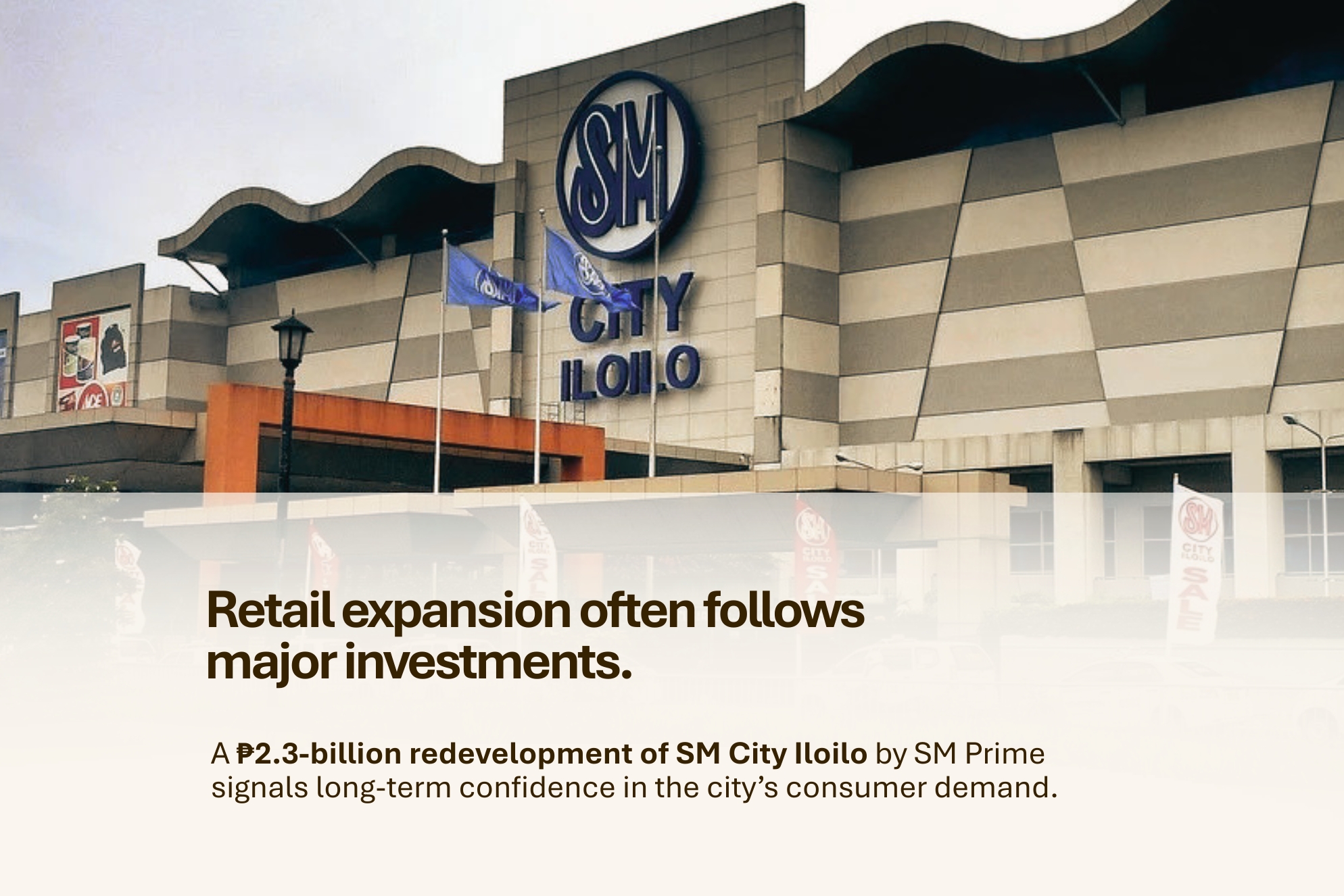
A cluster of international and national brands, from premium dining to entertainment and lifestyle retail. are entering the city within the same year. At the center of this wave is the redevelopment of SM City Iloilo by SM Prime Holdings, Inc., a ₱2.3-billion expansion scheduled for completion in early 2026.
The redevelopment will add more than 7,900 square meters of new retail space, alongside upgraded facilities and new lifestyle zones designed to attract first-in-city concepts.
This convergence of supply and demand is reshaping how brands view mid-sized cities.
Why regional cities are suddenly attractive to global brands
For decades, large consumer brands in the Philippines concentrated their expansion in Metro Manila and a few major metropolitan areas such as Cebu and Davao.
That model is now shifting.
Three structural factors are pushing brands toward cities like Iloilo:
1. Rising regional purchasing power
Economic growth in secondary cities has created a larger middle-income consumer base capable of sustaining lifestyle retail, premium dining, and experiential entertainment.
2. Tourism and mobility improvements
Improved connectivity and tourism flows increase visitor spending, making retail investments more viable outside traditional metro hubs.
3. Modern retail infrastructure
Large integrated developments: townships, mixed-use districts, and expanded malls, now provide the scale that international brands require.
The redevelopment of SM City Iloilo exemplifies this shift.
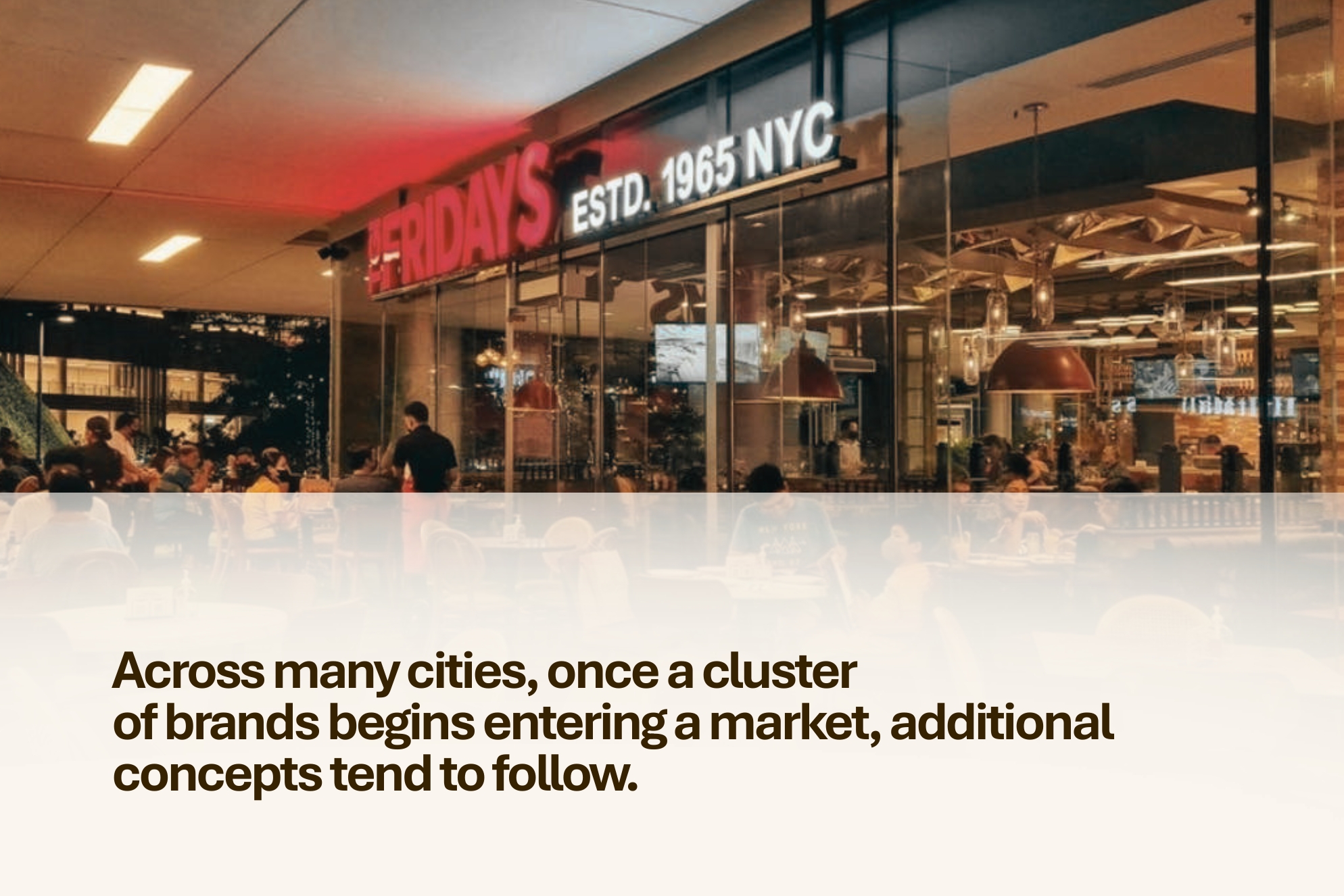
The project will introduce new lifestyle tenants including entertainment hubs, international restaurants, and sporting retailers such as Decathlon and restaurant chains like TGI Friday's and Chili's, many of them firsts in the city.
The brands arriving in Iloilo in 2026
Several notable concepts are opening or launching around the same period, forming what observers describe as a “first-in-city” brand wave.
Lifestyle retail
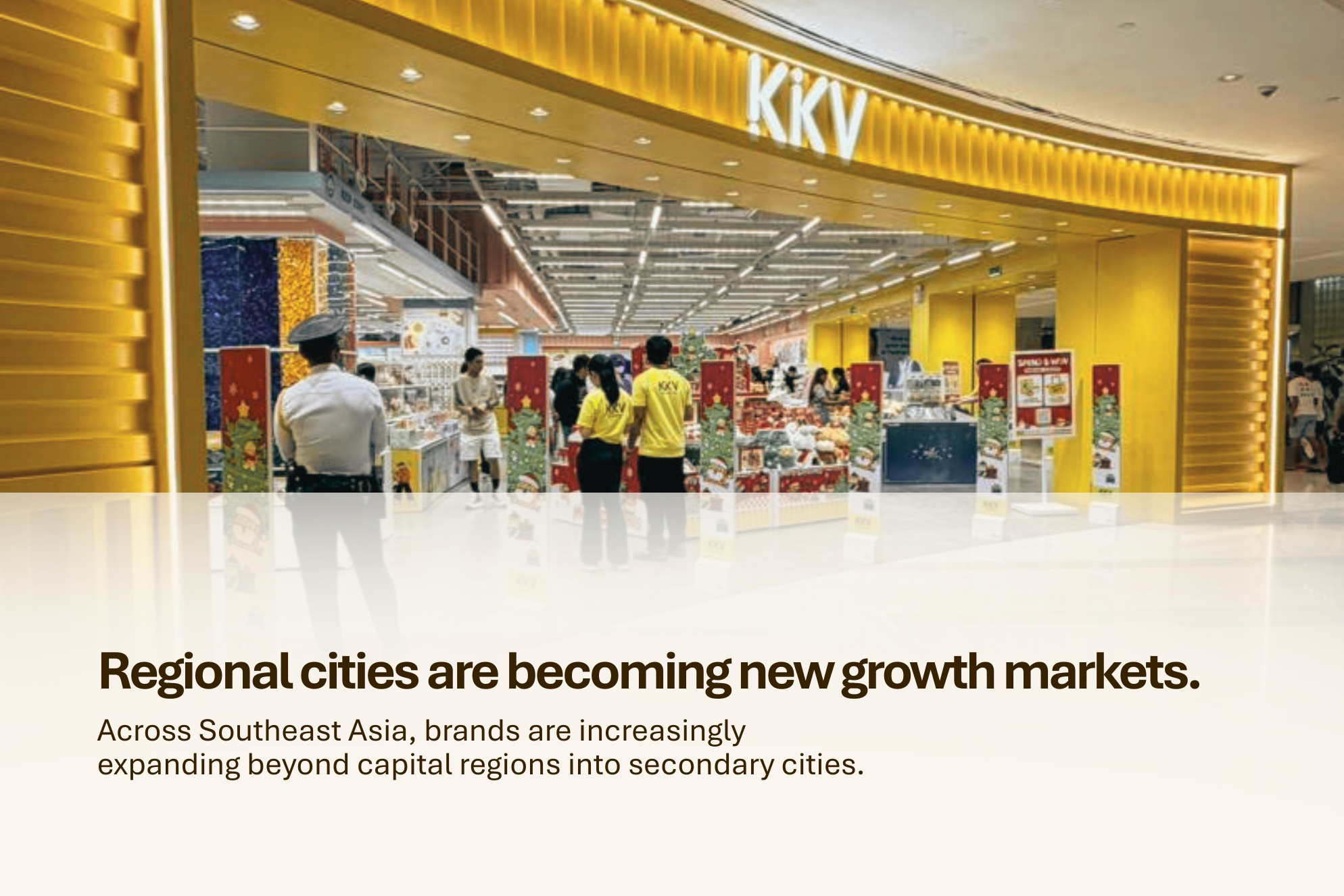
KKV opened its first Iloilo store at Festive Walk Mall in early 2026.
Dining chains
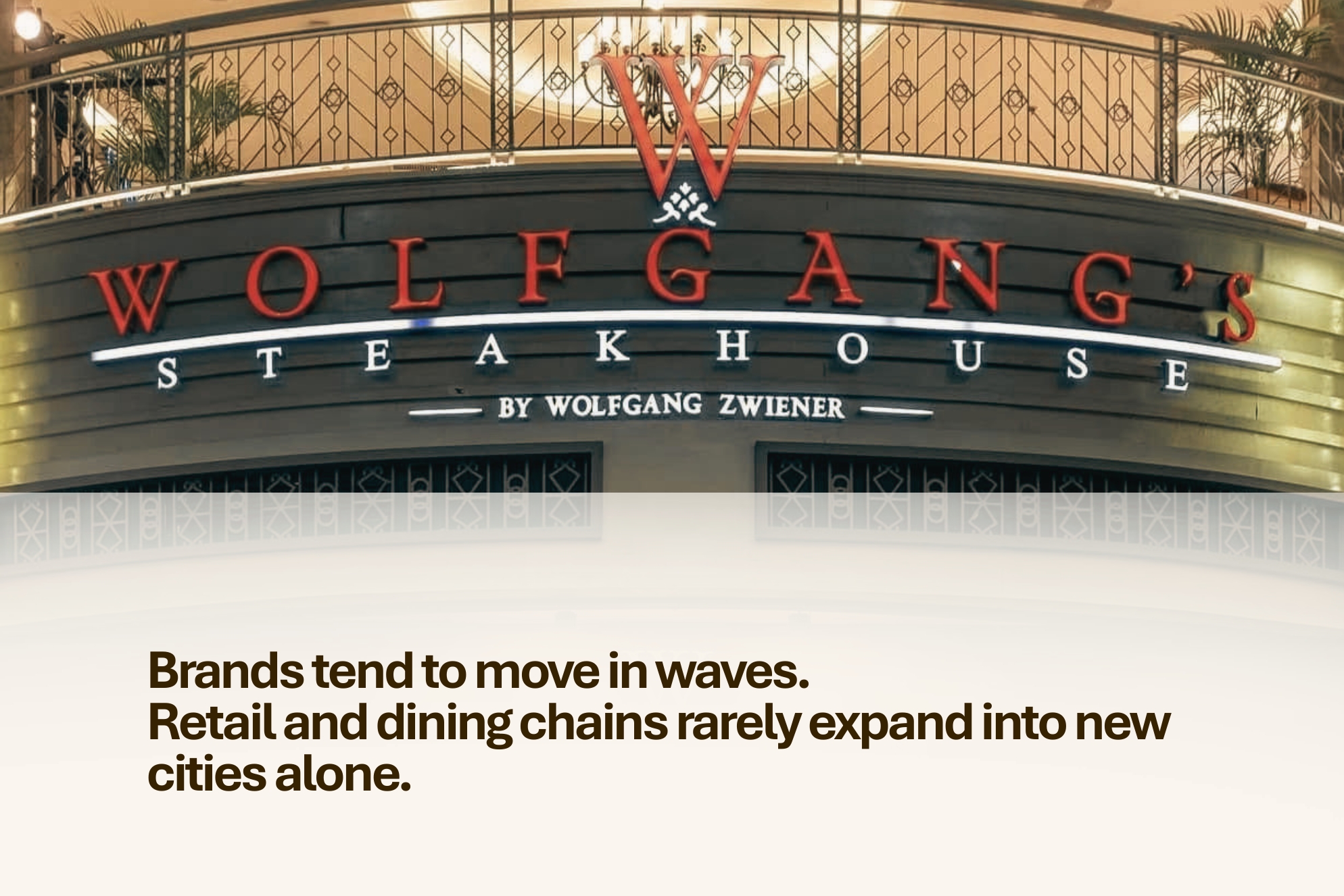
Wolfgang’s Steakhouse Grill opened at Iloilo Business Park, bringing the internationally recognized steakhouse brand to the city.
At SM City Iloilo, several dining brands are expanding as part of the mall’s redevelopment, including Yayoi, TGI Friday’s, and Chili’s, adding more international dining options to the city’s retail landscape.
Experiential entertainment
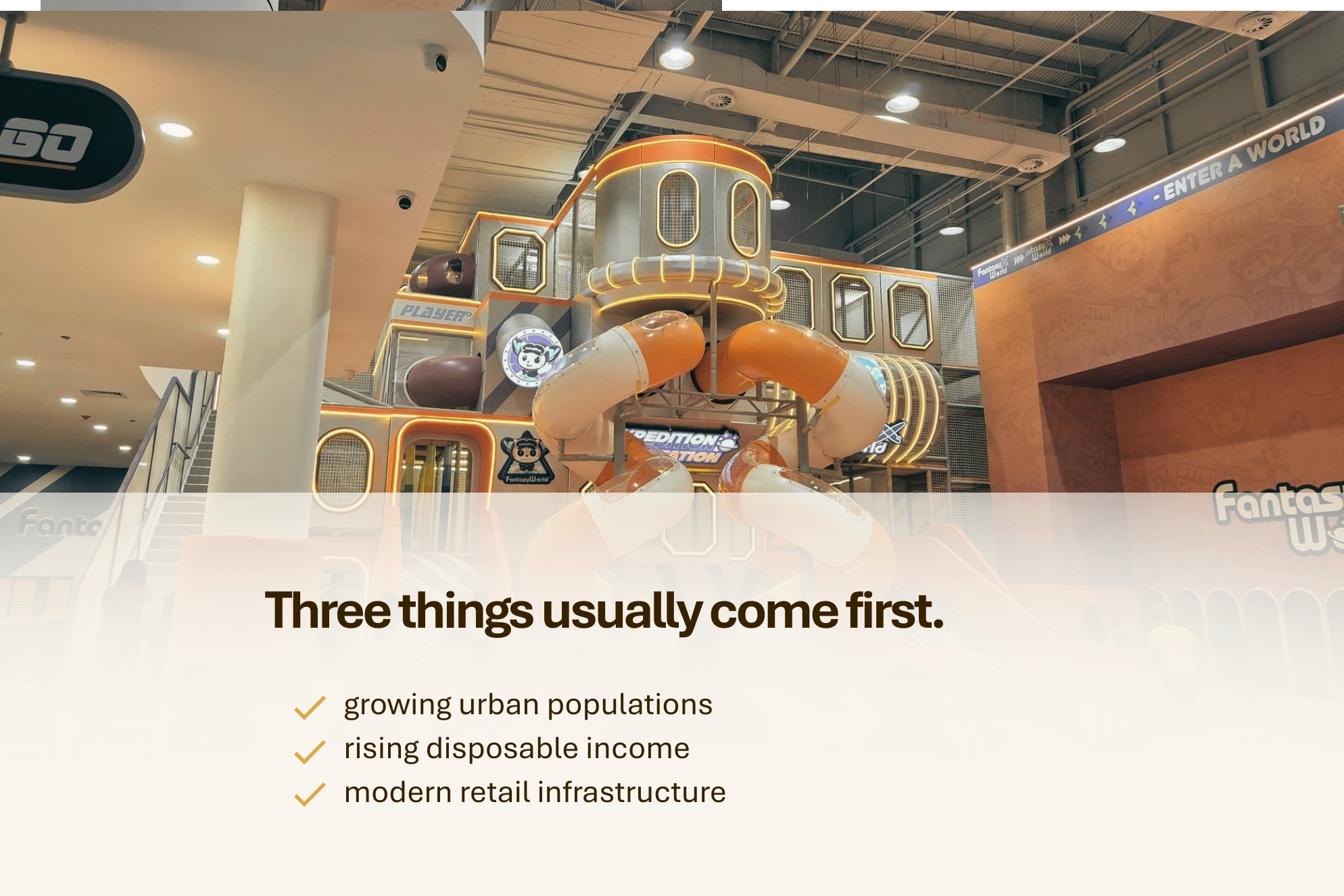
FantasyWorld SM City Iloilo and the upcoming Game Park add family-oriented entertainment destinations designed to increase mall dwell time.
Individually, these openings may appear routine.
Collectively, they suggest a structural shift in how brands evaluate regional markets.
What this says about Iloilo’s economic trajectory
The clustering of new brands within a short timeframe typically indicates three conditions:
1. A city reaching consumption maturity
Premium restaurants and experiential entertainment concepts require consistent discretionary spending, not just occasional demand.
2. A maturing urban ecosystem
Developments such as Iloilo Business Park and modern mall infrastructure provide the environment necessary for global retail formats.
3. Increasing investor confidence
Large retail expansions are long-term bets on urban growth. The ₱2.3-billion investment by SM Prime Holdings, Inc. signals confidence that Iloilo can support a broader consumer economy.
Why the trend matters beyond Iloilo
The developments in Iloilo reflect a broader regional pattern.
Across Southeast Asia, secondary cities are emerging as new consumption hubs as urbanization spreads beyond capital regions.
Instead of a single megacity dominating national growth, countries are seeing multi-city economic networks emerge.
In the Philippines, cities like Iloilo, Bacolod, and Cagayan de Oro are increasingly becoming test markets for expansion strategies.
The arrival of brands is only the first step.
What ultimately determines whether a city becomes a sustained lifestyle hub is the interaction between global brands and local culture.
Cities that succeed in this transition usually share three characteristics:
- strong local entrepreneurship
- vibrant cultural identity
- and integrated urban planning.
Iloilo, often called the “City of Love”, has long cultivated a reputation for heritage, cuisine, and hospitality.
If the current momentum continues, the city may soon demonstrate how regional centers can evolve from emerging markets into fully developed urban lifestyle ecosystems.
And in 2026, Iloilo’s retail map is starting to show exactly that pattern.
A growing list of names that all share the same label:
First in Iloilo.
