Cities from Kyoto’s Gion district to the street food neighborhoods of Penang have embraced this model. Walking tours in Kyoto now regularly guide visitors through temple districts and traditional streets such as Gion and Higashiyama, where centuries-old architecture and local businesses coexist in a walkable cultural landscape.
In Penang, Malaysia, curated walking tours have helped transform George Town’s UNESCO heritage zone into one of Southeast Asia’s most recognizable cultural tourism experiences.
These examples illustrate a broader shift in tourism: the most memorable destinations are often those where visitors can experience neighborhoods rather than simply visit landmarks.
In Iloilo City, the conditions for this kind of tourism already exist. The city recorded more than one million tourist arrivals in 2024, generating approximately ₱9.4 billion in tourism receipts, reflecting the rapid recovery of its visitor economy.
At the national level, tourism contributed ₱2.09 trillion to the Philippine economy in 2023, representing 8.6% of the country’s GDP, according to the Philippine Statistics Authority.
Meanwhile, Iloilo’s international identity continues to grow through its designation as a UNESCO Creative City of Gastronomy, placing the city among global destinations recognized for their culinary heritage. These developments raise an important question for the city’s tourism future:
How can Iloilo transform its heritage districts into experiences that visitors can explore, understand, and remember?
One answer may lie in the city’s historic plazas.
Iloilo’s plazas: the original centers of community life
Like many historic Philippine cities, Iloilo grew around the Spanish colonial plaza system, where churches, municipal buildings, and commercial activity were organized around a central public square.
This layout still shapes the city today.
Districts such as Jaro, Molo, La Paz, and the historic downtown area continue to revolve around plazas that serve as gathering places for residents and focal points for neighborhood businesses. The significance of these heritage areas has even been recognized through Republic Act 10555, which designates several Iloilo landmarks and plaza complexes as part of a Cultural Heritage Tourism Zone. For tourism planners, this kind of urban structure offers a clear advantage.
Within a few minutes of walking from a plaza, visitors can encounter religious landmarks, heritage houses, cafés, bakeries, and neighborhood food institutions that together form the cultural fabric of the district. In other words, the city’s tourism infrastructure has existed for decades, it simply needs to be experienced differently.
From idea to experiment: testing plaza-based tourism
Recognizing this potential, Sowenscale, a business development and consulting firm working with the Iloilo Tourism Council and the Iloilo City Government’s MICE Center, began testing a concept known as plaza-based tourism.
The idea was simple: design walking experiences that allow visitors to explore Iloilo’s historic districts the way locals experience them, through food, public spaces, and neighborhood stories. An early pilot took place in Molo, one of Iloilo’s most recognizable heritage districts.
Participants walked between landmarks such as the historic Molo Mansion, the Molo Church, and neighborhood food institutions including Panaderia de Molo, Kap Ising’s Pancitt Molo, and Happy Endings Creamery. The pilot allowed organizers to test pacing, coordination with merchants, and how storytelling could unfold across a sequence of stops.
The response suggested that the model had potential.
The next step was to try it in another district.

Experience Jaro: a walk through heritage and flavor
On March 7, 2026, Sowenscale organized Experience Jaro: A Heritage and Culinary Walking Tour, designed to explore how the Jaro district could function as a cohesive tourism experience.
Jaro has long been known as the ecclesiastical center of Western Visayas, anchored by the Jaro Metropolitan Cathedral and the historic plaza that surrounds it.
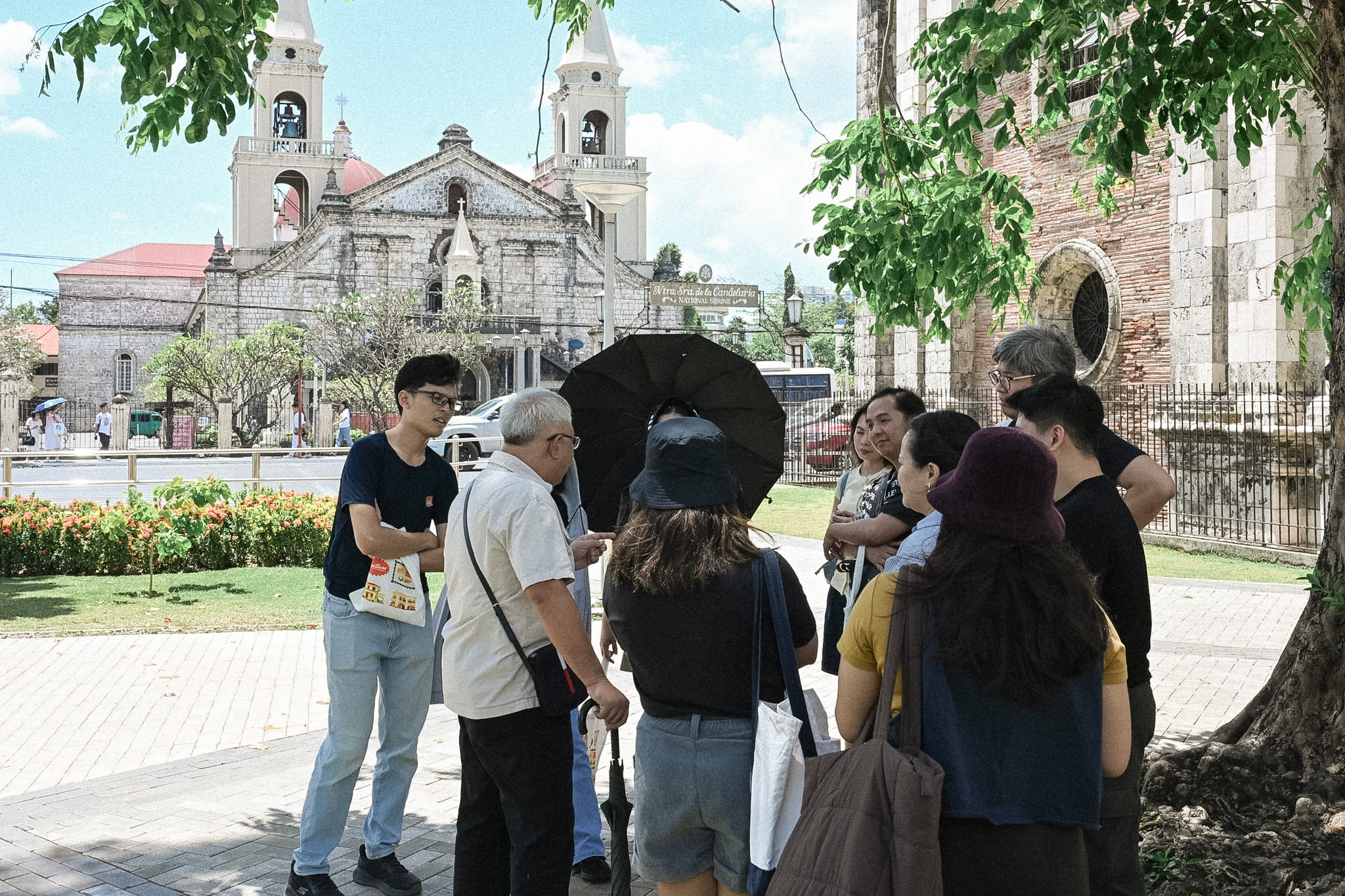
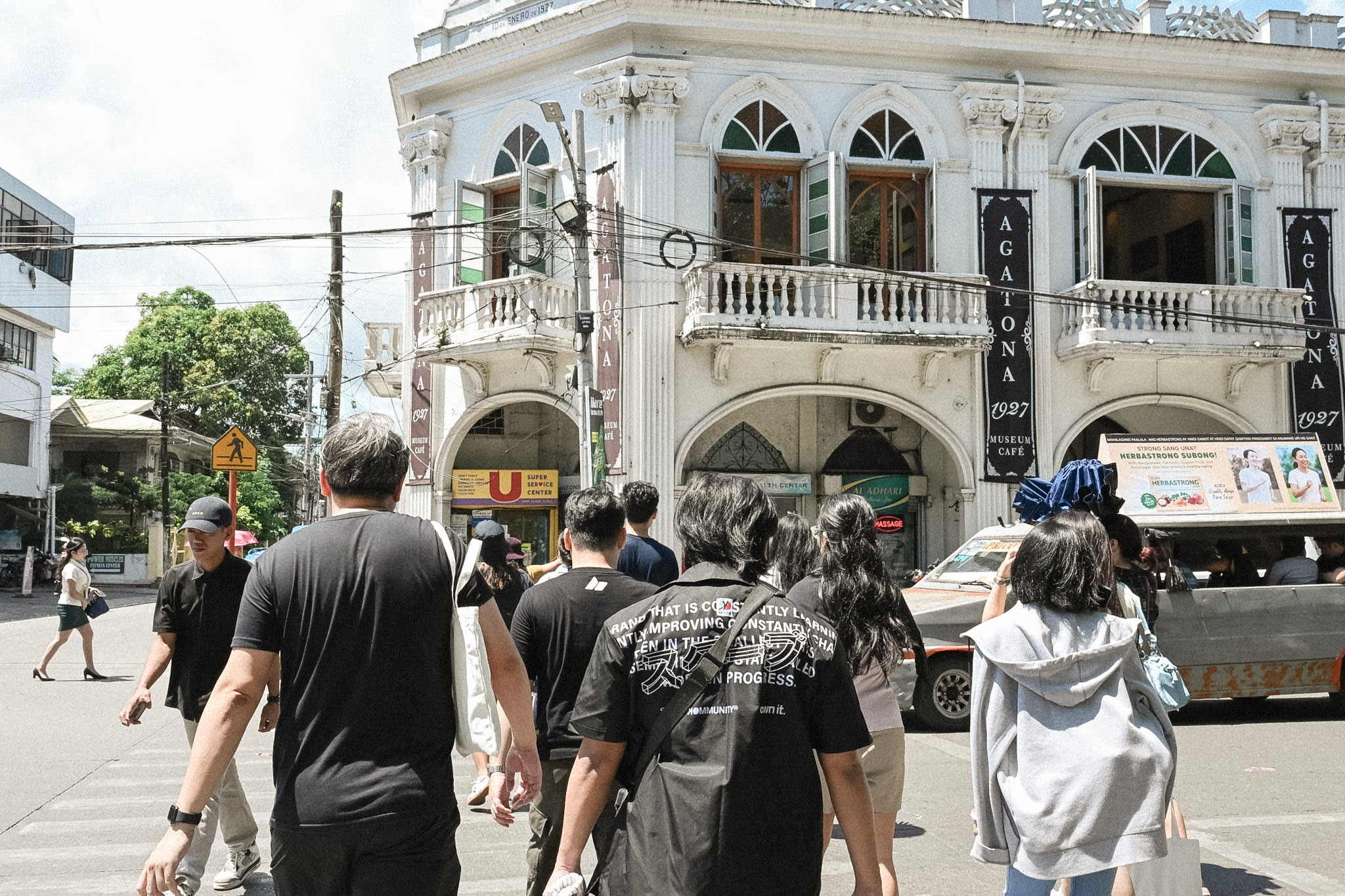
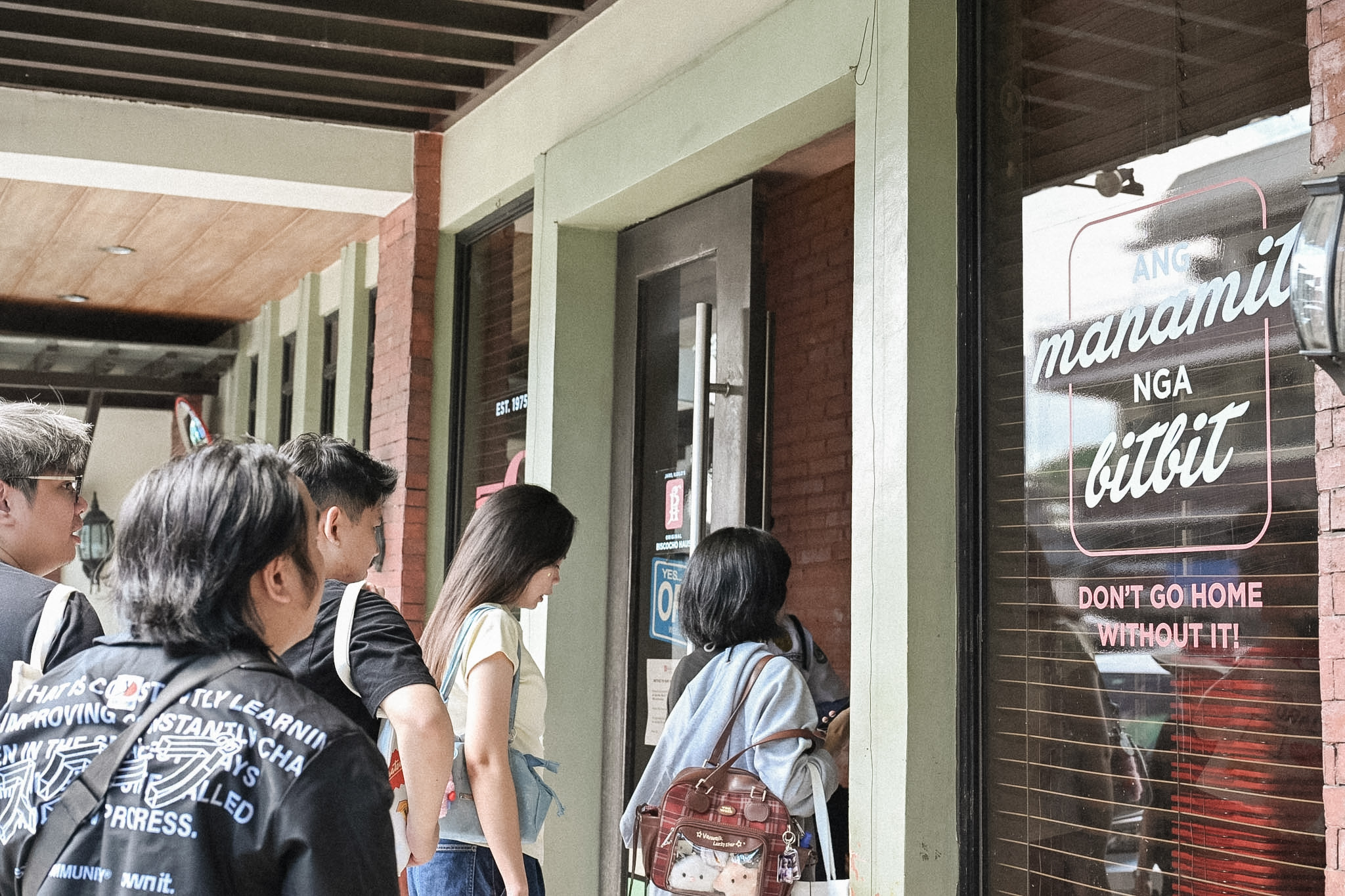
The tour began at Balay Sueño, where participants gathered for the district’s Sunday Bake Night concept, a reflection of Iloilo’s growing café and artisan baking culture. From there, the group walked to Alicia’s Special Batchoy, where participants were introduced to one of Iloilo’s most iconic dishes and its place in the city’s culinary tradition. The route continued toward Jaro Plaza and the Jaro Belfry, a bell tower that stands across from the cathedral — an unusual feature among Philippine churches. Participants then visited the Jaro Metropolitan Cathedral, before heading to Agatona 1927 Museum Café, a heritage building transformed into a café and cultural space. The tour concluded at Biscocho Haus, a long-standing establishment associated with Iloilo’s famous toasted bread biscuit.
Taken together, the itinerary allowed participants to experience the district not as a set of separate attractions but as a connected cultural story.
A tourism model that includes local businesses
The Experience Jaro tour also introduced a collaborative model for tourism programming. Each stop contributed to the experience through tasting portions, storytelling, and interaction with visitors. Rather than functioning as a traditional tour operator, the initiative acted as a platform for neighborhood enterprises, allowing local businesses to participate directly in the visitor journey.
This structure reflects a growing global trend in tourism design: experiences that integrate community businesses rather than isolating tourism within large attractions.
Why walking experiences matter
Walking tours have become an important tool for cities seeking to activate heritage districts.
They allow visitors to slow down and observe the physical and cultural landscape of a neighborhood, rom the architecture of an old house to the atmosphere of a local café.
Cities such as Lisbon, Kyoto, and Penang have demonstrated how curated walks can transform historic districts into thriving tourism experiences while supporting local businesses.
Iloilo’s plazas offer a similar opportunity.
Because the city’s cultural landmarks and food establishments remain embedded within active neighborhoods, walking routes can reveal the city’s identity in ways that conventional sightseeing cannot.
.jpg)
We The Curatours as a curated tourism offering
The Experience Jaro tour was delivered through We The Curatours, an initiative focused on developing heritage and culinary walking experiences in Iloilo. The concept centers on translating the stories of each district into guided journeys that combine public spaces, historic landmarks, and local food institutions.
Within the city’s tourism ecosystem, offerings like these provide visitors with a structured way to explore Iloilo through its neighborhoods rather than simply passing through its attractions.
A network of future experiences
As tourism demand continues to grow, Iloilo faces an opportunity to organize its historic districts into a network of walkable cultural experiences.
Neighborhoods such as Jaro, Molo, La Paz, and downtown Iloilo already possess the architecture, culinary traditions, and public spaces necessary to support district tourism.
What remains is the process of connecting these elements into coherent narratives that visitors can explore.
Initiatives like Experience Jaro offer a glimpse of how this could unfold.
By puttingpay together plazas, heritage landmarks, and neighborhood food institutions, walking tours reveal a different way of understanding the city — one that moves through its districts, listens to its stories, and experiences Iloilo at the pace of a walk.
