A city at an inflection point
Many regional cities measure success by job creation. Iloilo has reached a stage where employment is strong and economic activity is expanding. For years, the development narrative centered on attracting investment and increasing labor absorption.
But as the labor market tightened, a new tension emerged.
Employers were hiring, yet still struggling. Not because talent was absent, but because expectations were changing. Digital skills, adaptability, leadership quality and workplace culture were becoming decisive factors.
The question shifted from “How do we create jobs?” to “How do we upgrade workplaces?”
This transition marks a critical inflection point, not only for Iloilo, but for regional economies globally.
Recent labor data reinforces why this shift matter
The Philippine Statistics Authority reports a 95.6% employment rate, reflecting strong labor absorption nationally.
At the same time, employer-side data from Jobstreet by SEEK – Hiring, Compensation & Benefits Report 2024 shows that 99% of companies hired in 2023, with average salary increases reaching 10.24% amid tightening competition.
Yet the structural shift is accelerating. According to the World Economic Forum – Future of Jobs Report 2023, 44% of core job skills are expected to change by 2027.
Meanwhile, the Asian Development Bank continues to flag skills mismatch as a structural constraint across emerging Asian economies — even those experiencing growth.
Taken together, these signals explain why high employment can coexist with organizational strain.
Rethinking workplace readiness
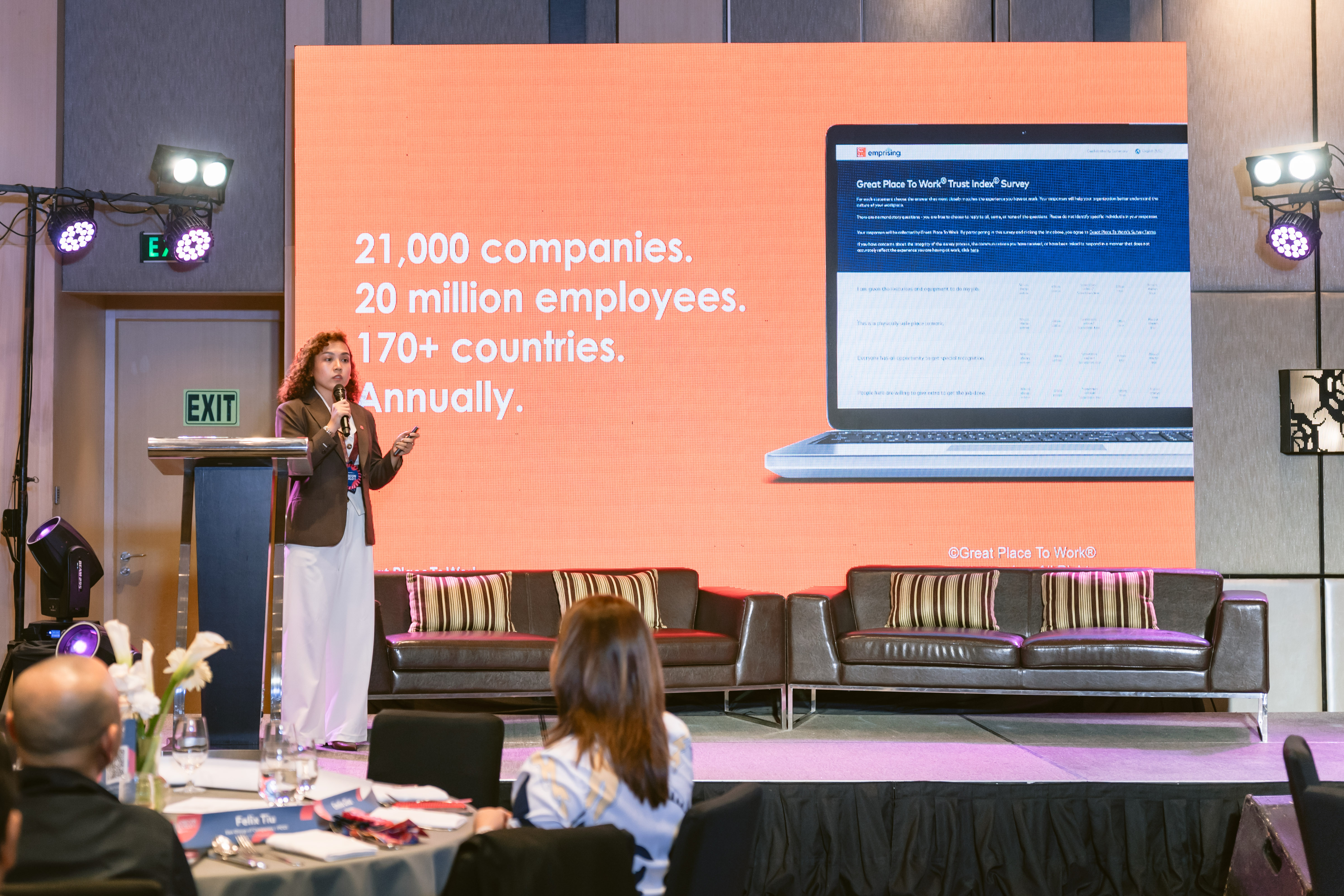
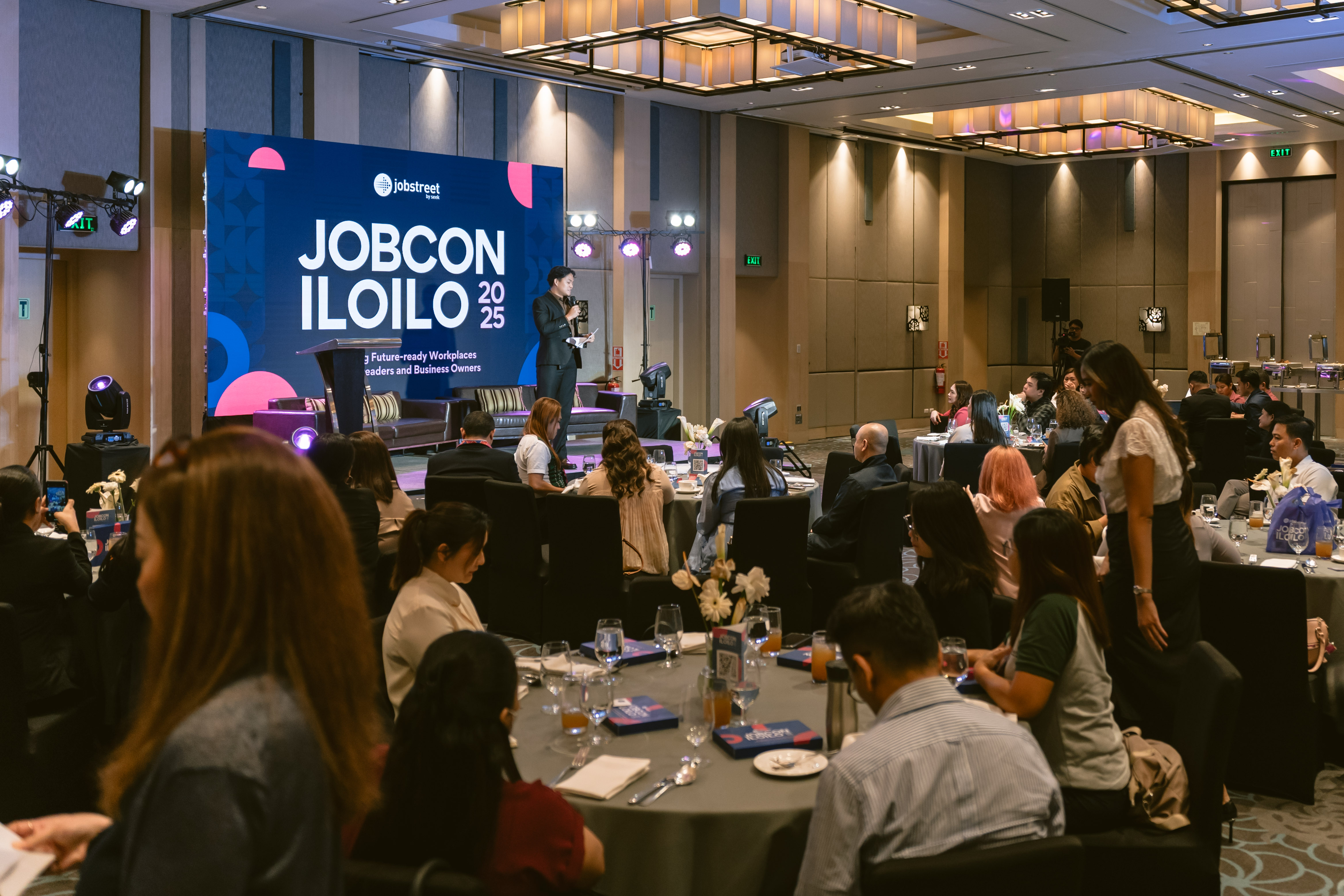
In response to this shift, local employers and ecosystem leaders convened to examine what future-readiness actually requires. The conversation, anchored by Jobstreet by SEEK and supported by workplace culture advocates such as Great Place to Work Philippines, focused on three structural themes:
- The integration of AI and digital hiring systems
- The professionalization of recruitment practices
- The role of trust-based leadership in retention
Rather than treating recruitment as an administrative function, the discussion reframed it as strategic infrastructure.
Digital hiring tools were examined not as trends, but as equalizers, enabling regional firms to access smarter talent matching systems previously concentrated in capital markets.
Workplace culture, meanwhile, was positioned as an economic asset rather than a human resources initiative. In a tight labor market, trust and credibility influence whether skilled workers stay, relocate or disengage.

Employment strength can conceal structural fragility
Iloilo’s experience highlights a broader development paradox.
High employment rates can create the illusion of workforce stability. Yet beneath the surface, organizations may still face:
- Capability gaps in digital transformation
- Leadership bottlenecks
- Limited retention strategies
- Informal recruitment processes
If unaddressed, these gaps slow productivity growth and weaken long-term competitiveness. The case illustrates that employment quantity is a lagging indicator. Workplace quality is the leading one. As regional economies grow, they must upgrade systems before external disruption forces them to.
Why this matters beyond Iloilo
Across Southeast Asia and other emerging regions, economic activity is decentralizing. Secondary cities are absorbing investment, expanding industries and retaining young talent.
But without modern hiring infrastructure and credible workplace cultures, growth can plateau.
Iloilo’s evolving conversation demonstrates that regional competitiveness in the next decade will depend on:
- Digitally enabled recruitment systems
- Leaders capable of managing technology-augmented teams
- Organizational trust strong enough to anchor talent locally
In this sense, the future of work is no longer a capital-city phenomenon. It is being negotiated in regional centers that recognize the need to transition from job creation to workplace transformation.
What this means for policymakers and business leaders
The experience emerging from Iloilo suggests a quiet but important shift. A healthy labor market cannot be judged by employment levels alone. What matters just as much is whether organizations are building the capabilities and leadership maturity required for long-term adaptation.
Digital hiring systems, once seen as operational tools, are increasingly part of a city’s economic backbone. When regional employers have access to smarter recruitment infrastructure, they compete on more equal footing and reduce structural disadvantages.
At the same time, workplace trust is no longer a soft consideration. It influences retention, stability and the willingness of talent to build careers locally. In tight labor markets, trust becomes a competitive asset.
For cities approaching full employment, the next stage of competitiveness will not hinge on the number of available roles. It will depend on how resilient, adaptive and well-designed those roles are.
The lesson from Iloilo is clear: when employment is strong, the real work begins.
