Tourism’s gender paradox
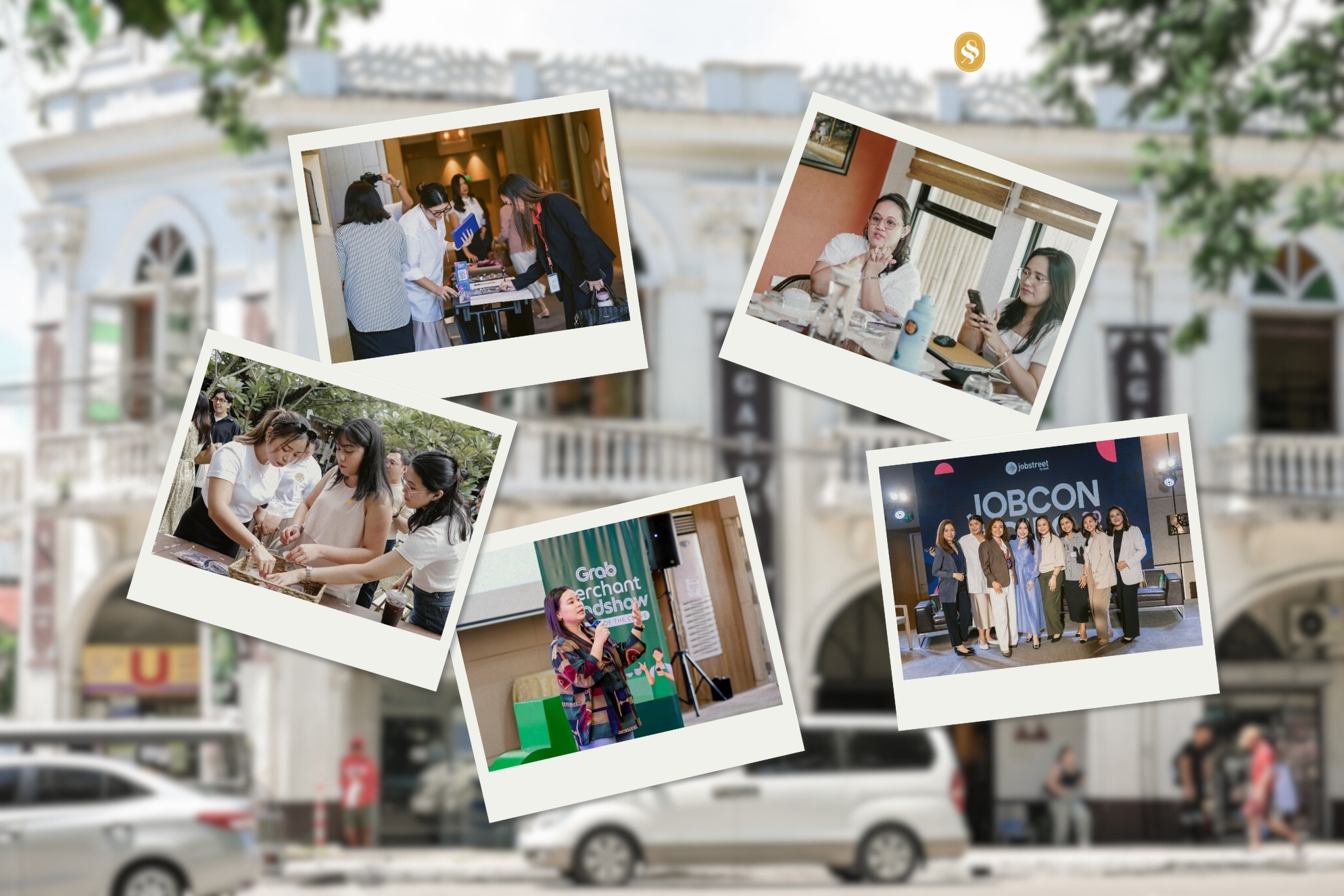
Tourism has long been described as one of the most accessible sectors for women’s employment. The industry’s structure, spanning hospitality, culinary services, guiding, cultural interpretation, and small enterprise, creates entry points for participation that are often less capital-intensive than other sectors.
However, international data shows that participation does not always translate into leadership.
Women dominate the workforce in hospitality and food services globally, but remain underrepresented in tourism management, destination planning, and tourism enterprise ownership. This imbalance affects how tourism systems evolve.
Who designs tourism experiences influences:
• which businesses are included in itineraries
• how local narratives are framed
• which neighborhoods benefit from visitor spending
• what kinds of enterprises are supported
For emerging tourism cities, these decisions shape whether tourism growth becomes broad-based economic participation or remains concentrated within a narrow set of operators.
Iloilo’s identity advantage
Iloilo City enters the tourism recovery phase with a strong structural advantage: identity assets that align with emerging travel trends.
Globally, tourism demand is shifting toward destinations that combine:
• cultural authenticity
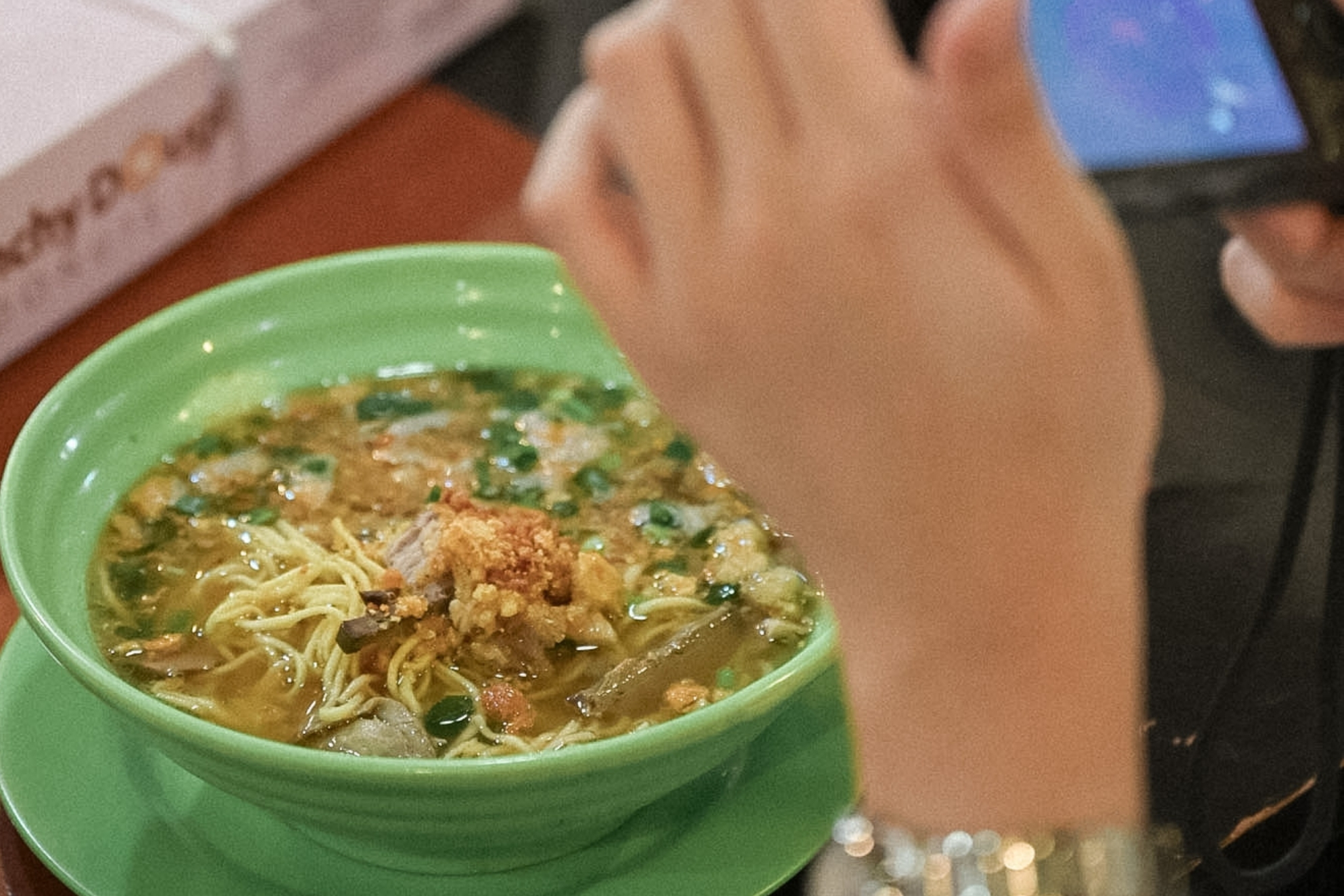
• culinary experiences
• walkable districts
• heritage architecture
• local storytelling
Iloilo’s tourism profile already reflects these elements.
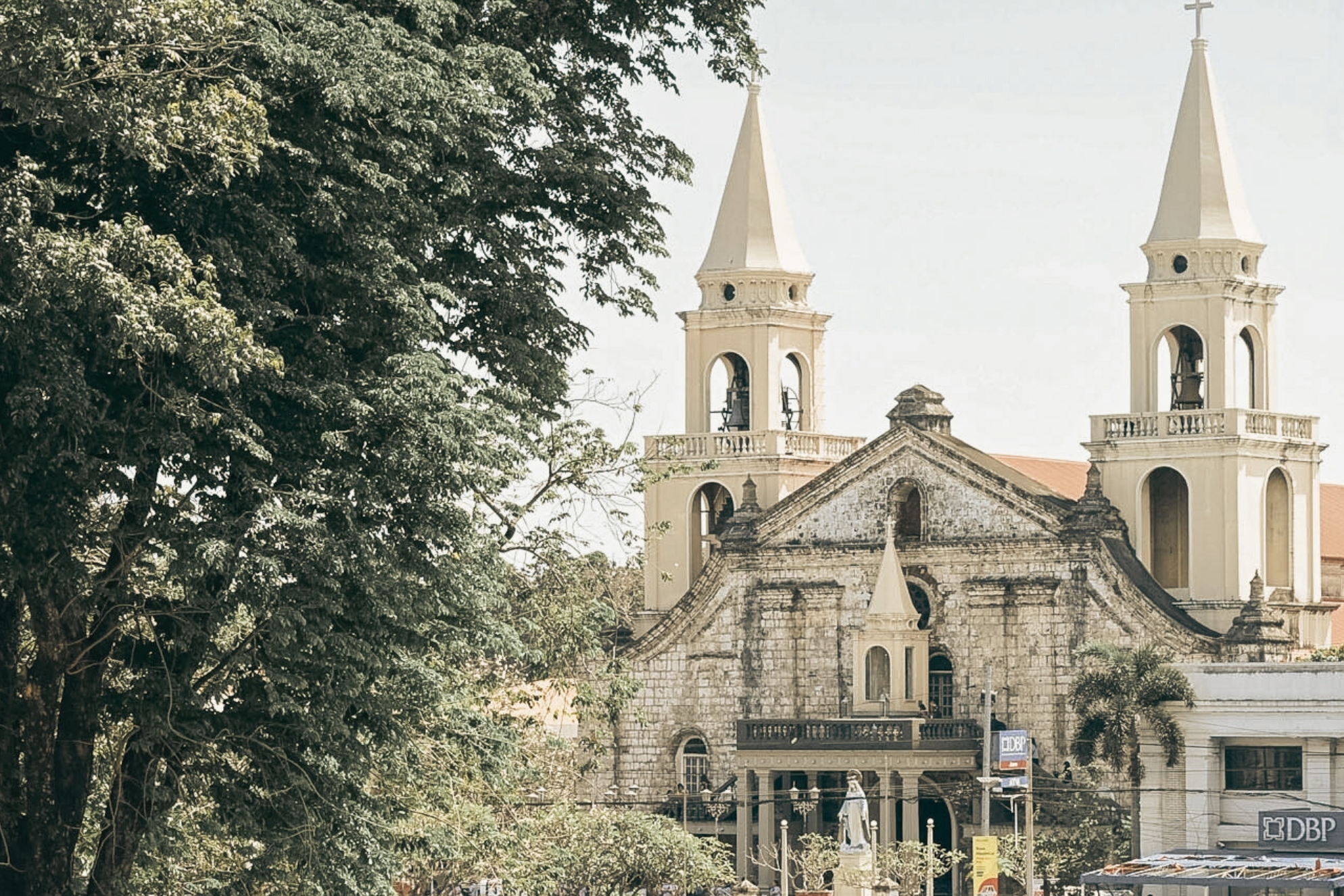
The city is recognized as part of the UNESCO Creative Cities Network for Gastronomy, reinforcing its culinary identity within the global tourism landscape. At the same time, national legislation recognizes the heritage value of Iloilo’s historic districts, designating plaza complexes such as Jaro Plaza, Molo Plaza, and Plaza Libertad as part of a Cultural Heritage Tourism Zone.
These assets position Iloilo within a tourism model increasingly described as district-based or experience-based tourism, where visitors engage with neighborhoods rather than isolated attractions.
Public spaces and inclusive tourism economies
An important component of experience-based tourism is public space.
Plazas, promenades, and heritage streets often function as the connective infrastructure that links cultural landmarks, food establishments, and small businesses into a cohesive visitor experience.
The UN Sustainable Development Goals (SDG Target 11.7) recognize access to safe and inclusive public spaces as a key urban development priority, particularly for women, children, older persons, and persons with disabilities.
In tourism terms, well-designed public spaces enable walkable heritage experiences, food and craft markets, community events and cultural programming, and small-scale entrepreneurship
For women in particular, these environments can influence participation in tourism economies. Lighting, walkability, accessibility, and predictable activity patterns significantly affect whether public spaces feel safe enough for women to operate businesses, guide tours, or host cultural events.
When tourism planning intentionally activates these spaces, plazas become more than heritage landmarks, they function as economic platforms.
Women shaping the next layer of tourism
Within Iloilo’s evolving tourism ecosystem, a growing number of initiatives are being shaped by local cultural curators, independent tourism operators, and small creative enterprises.
These actors operate in the space between formal tourism infrastructure—such as airports and hotels, and the everyday cultural landscape that visitors actually experience.
In some cases, these initiatives are being led by women entrepreneurs and tourism curators, reflecting a broader shift in how tourism products are being designed.
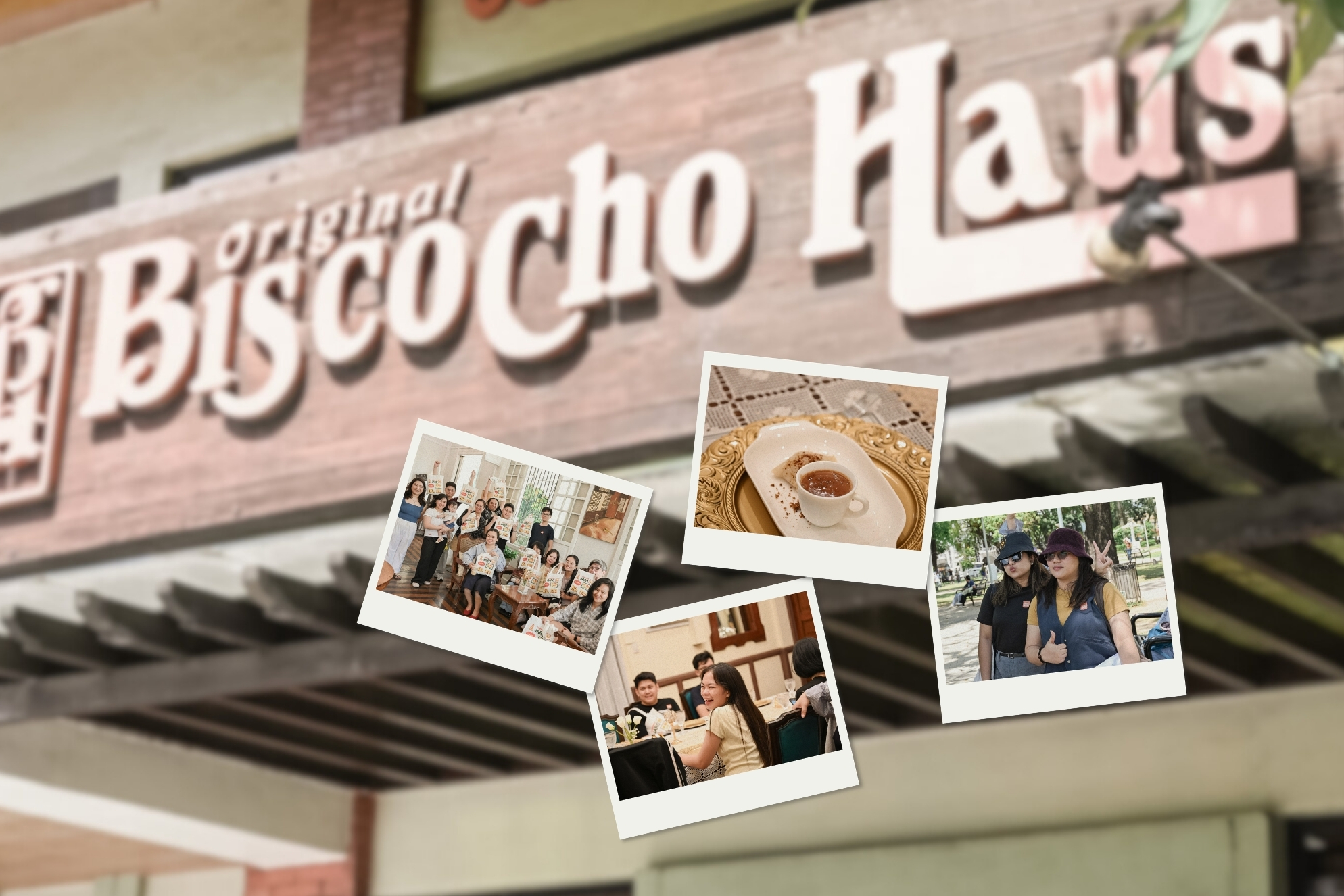
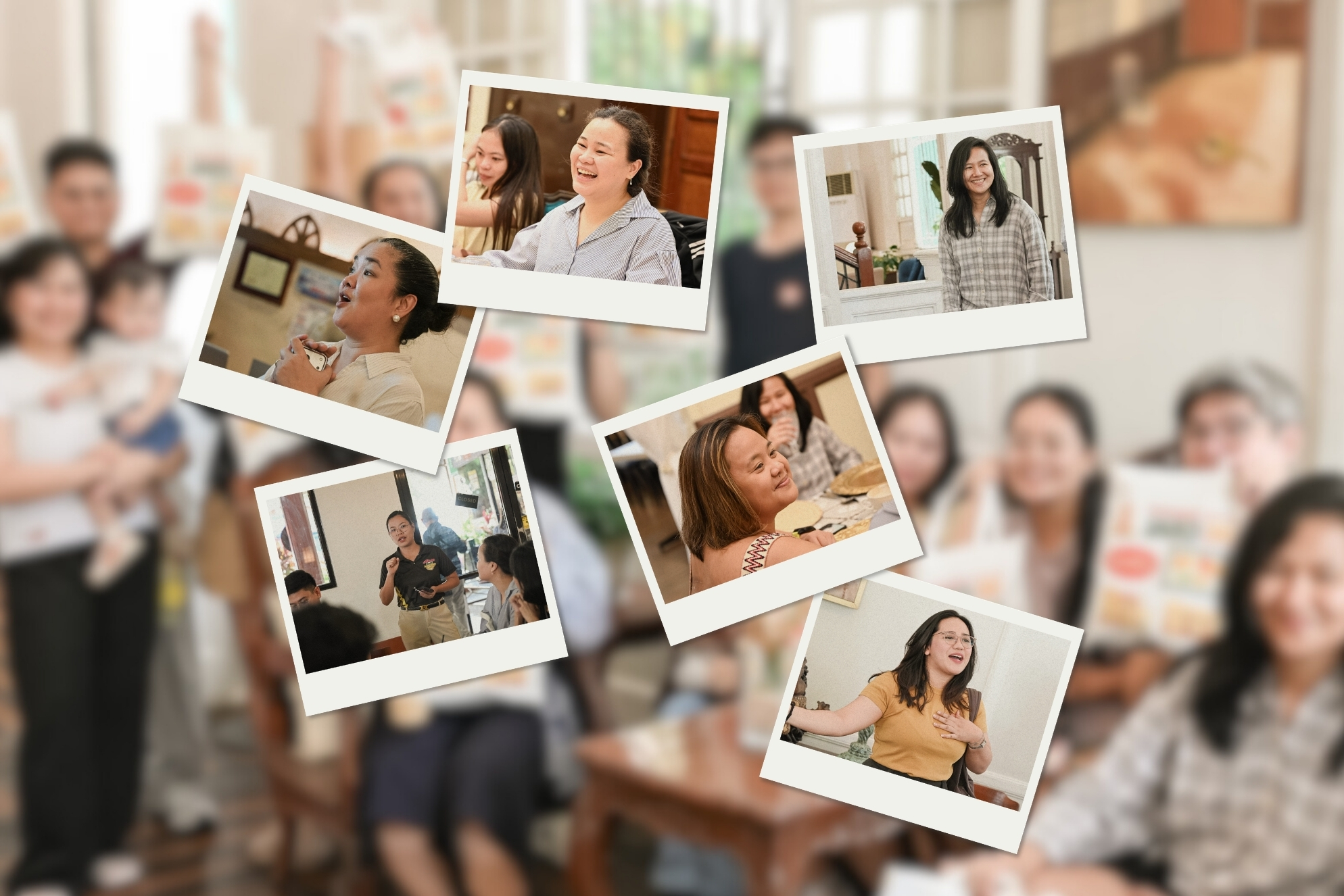
One example is WE THE CURATOURS, an Ilonggo-owned and locally founded cultural tourism company led by an all-women team. The group focuses on designing heritage and culinary experiences that connect public spaces, local businesses, and cultural narratives into walkable district-based itineraries.
While still emerging, initiatives like these highlight a subtle but important shift in tourism development: local experience design is increasingly being shaped by smaller, community-rooted teams rather than large institutional operators.
For cities with strong heritage districts like Iloilo, this approach can play a complementary role alongside government-led tourism programs.
From participation to leadership
Women’s Month often focuses on representation within the workforce. But in tourism economies, an equally important question concerns who shapes the visitor experience itself.
As tourism demand returns, cities are not only competing for visitor arrivals but also for distinctive experiences, the curated routes, neighborhood stories, and cultural pathways that define how visitors understand a place.
This layer of tourism development, sometimes described as experience architecture, is where leadership and creative direction matter.
In Iloilo’s case, the intersection of heritage districts, culinary identity, and community-rooted tourism initiatives creates a landscape where women-led cultural enterprises are beginning to participate in shaping those experiences.
A transition moment for Iloilo’s tourism economy
Iloilo’s tourism recovery indicates strong underlying demand. The next challenge will be transforming that demand into sustainable and inclusive local economic systems.
Plaza-centered districts, heritage neighborhoods, and culinary corridors already exist within the city’s urban fabric.
What remains is the continued development of experience frameworks that connect these assets supported by public space investments, small enterprise participation, and inclusive leadership.
Within that evolving ecosystem, initiatives led by women, whether through entrepreneurship, cultural curation, or tourism design, are increasingly becoming part of how the city’s tourism narrative is being built.
